



Disinfection in the HoReCa industry
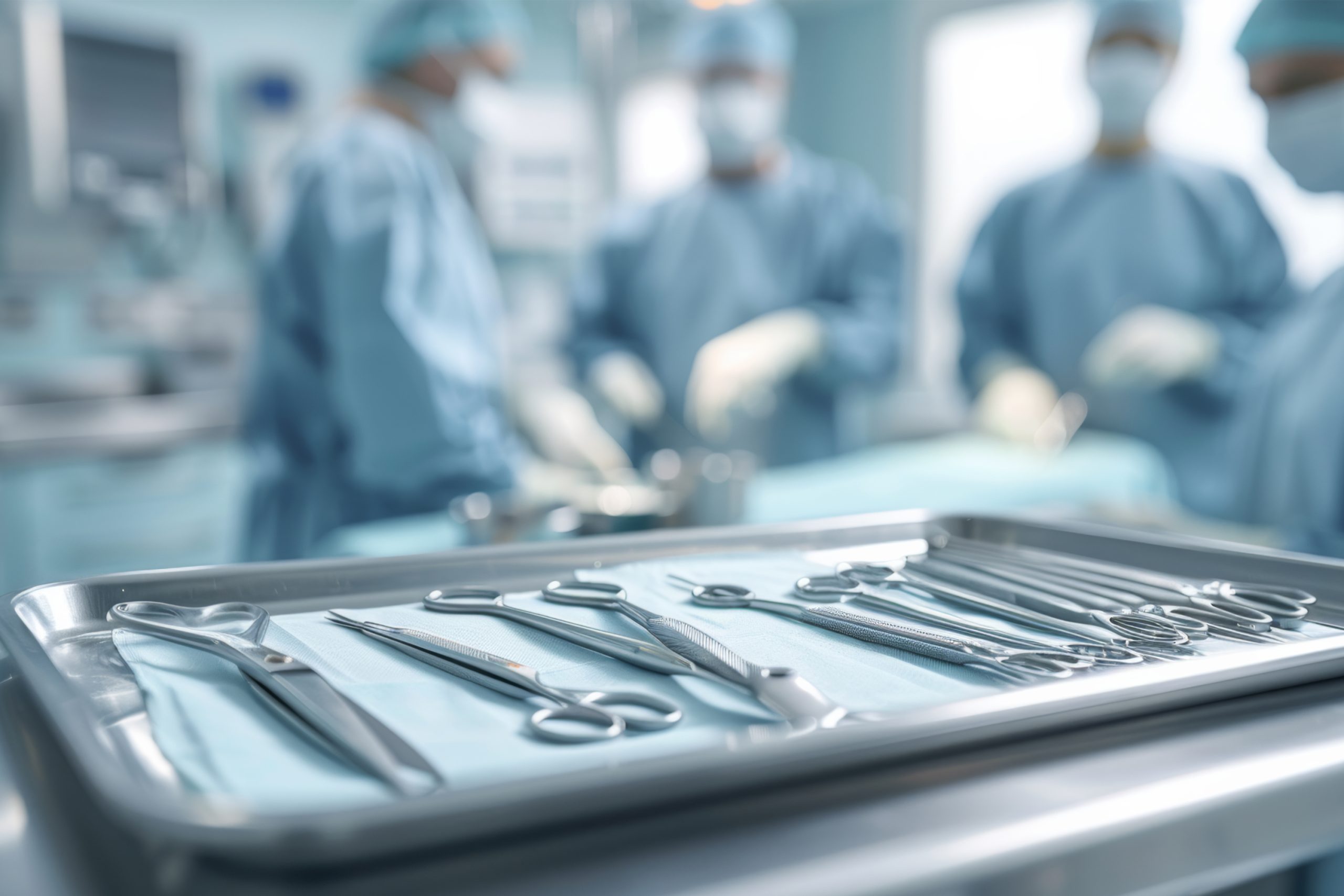
The need for and importance of hygiene, which is obvious and a priority in any place, activity or environment, is becoming more and more pressing in all public spaces, with particular demands in the hotel and restaurant sector, where sanitary and public health requirements are rigorous and subject to constant control. Given the high flow of people either visiting or working in HoReCa establishments, the safety of hotels and restaurants is an area of great importance for both consumers and owners.
Places where food is handled and consumed must pay close attention to hygiene to avoid the proliferation of disease-causing micro-organisms. In restaurants and hotels, daily disinfection of utensils and the environment is essential. These measures are fundamental to guarantee food safety and are in line with the standards set by the Ministry of Health.
The hygiene rules for the HoReCa sector apply to all accommodation (hostels, hotels, motels) and establishments serving food and beverages (restaurants, cafes, catering establishments, buffets, bakeries, pastry shops, pizzerias, street vendors at ice-cream stands, etc.). These regulations are aimed at the handling, preparation, fractioning, storage, distribution, transportation, display for sale and delivery of food prepared for consumption, which will ensure compliance with food safety standards applied to HoReCa establishments.
1. Cleaning vs disinfection in the HoReCa sector
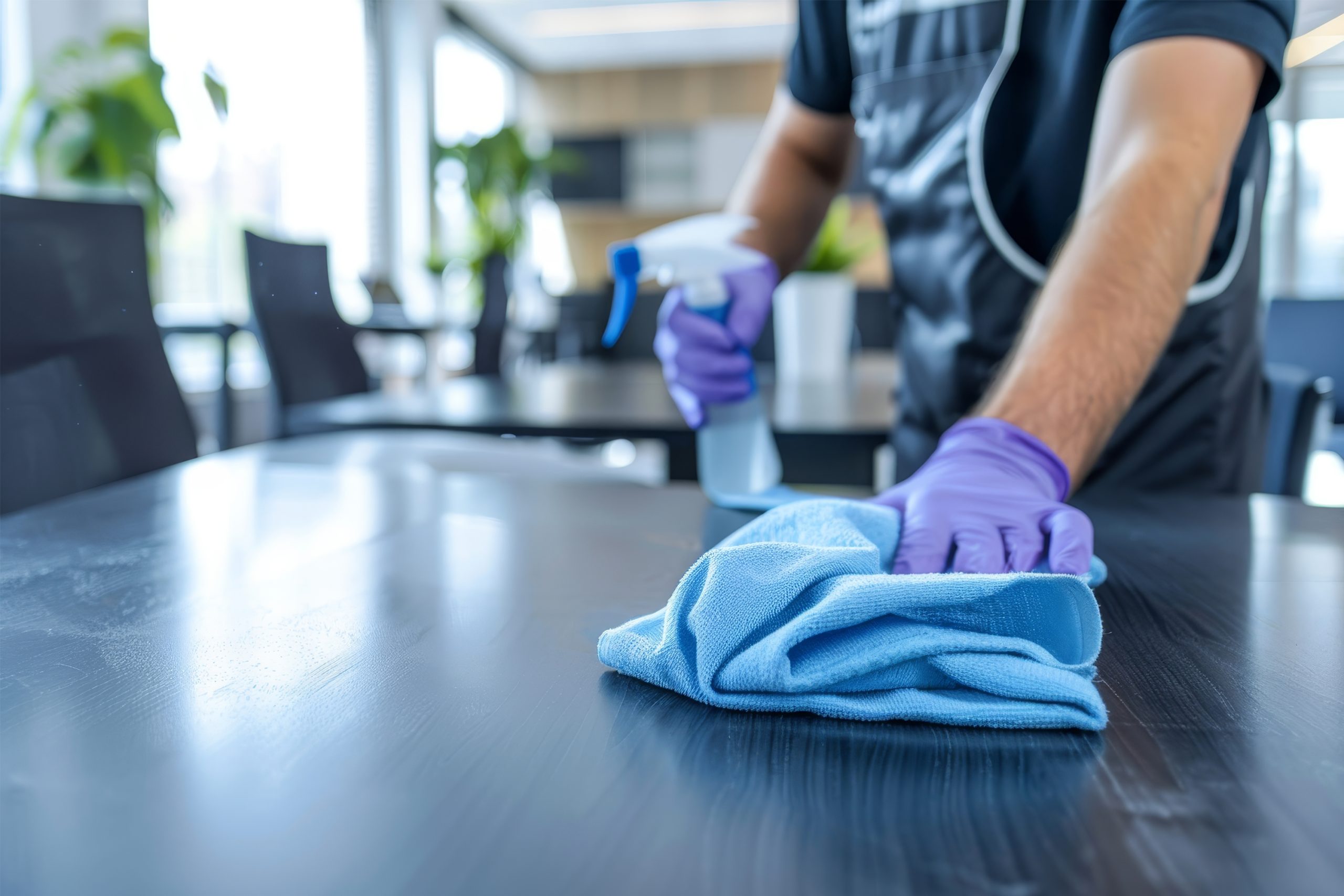
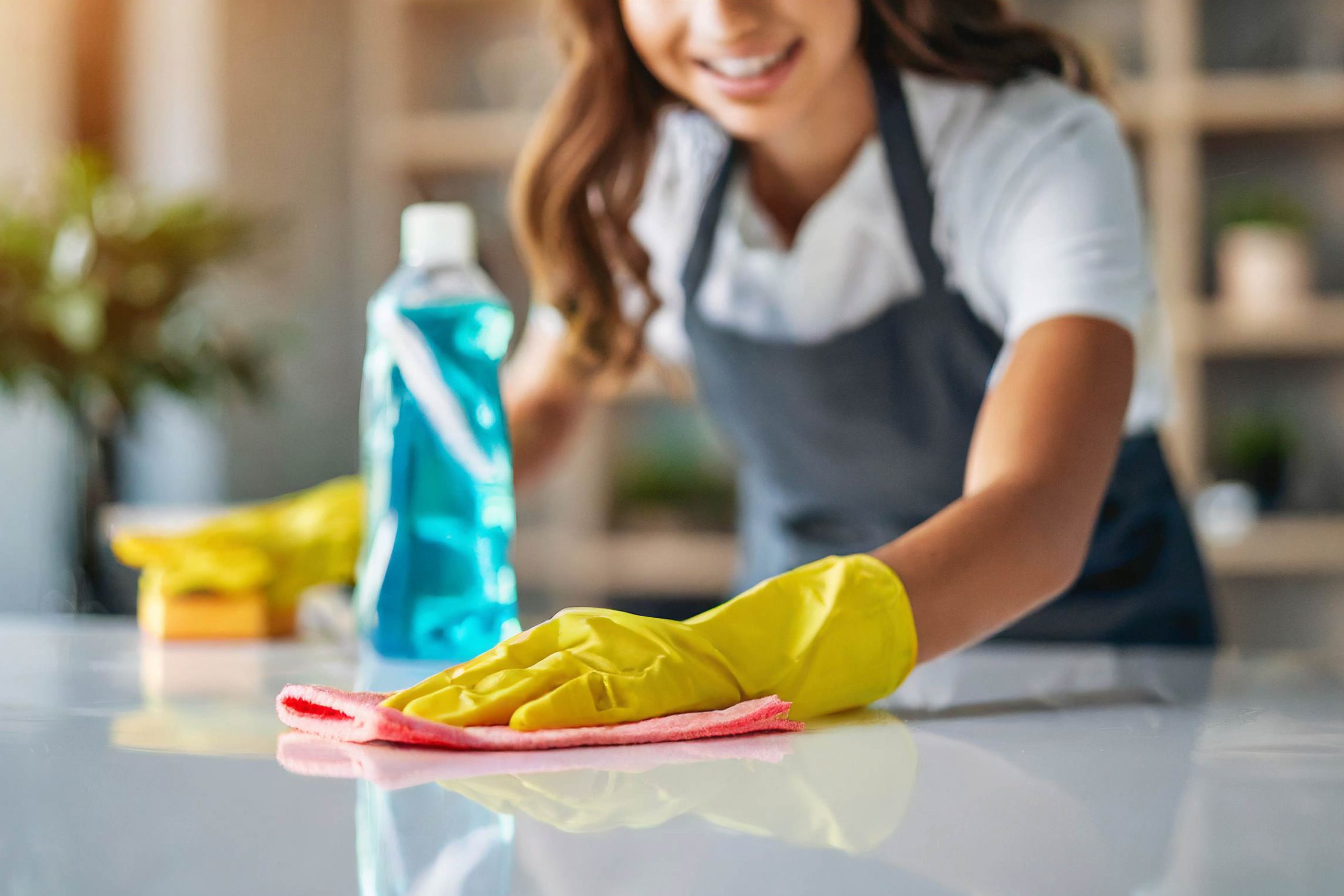
Cleaning and disinfection are two essential aspects in the food hygiene and food safety sector. These two processes are different in their purpose and the techniques involved:
- Cleaning removes germs, dirt and impurities. It works by using soap (or detergent) and water to physically remove germs. It does not necessarily kill micro-organisms, but by removing them it reduces the amount and risk of spreading infection.
- Disinfection kills germs on surfaces or objects. It involves using chemicals to kill germs. It does not exactly clean dirty places or remove impurities, but by killing germs, the possibility of contamination is reduced.
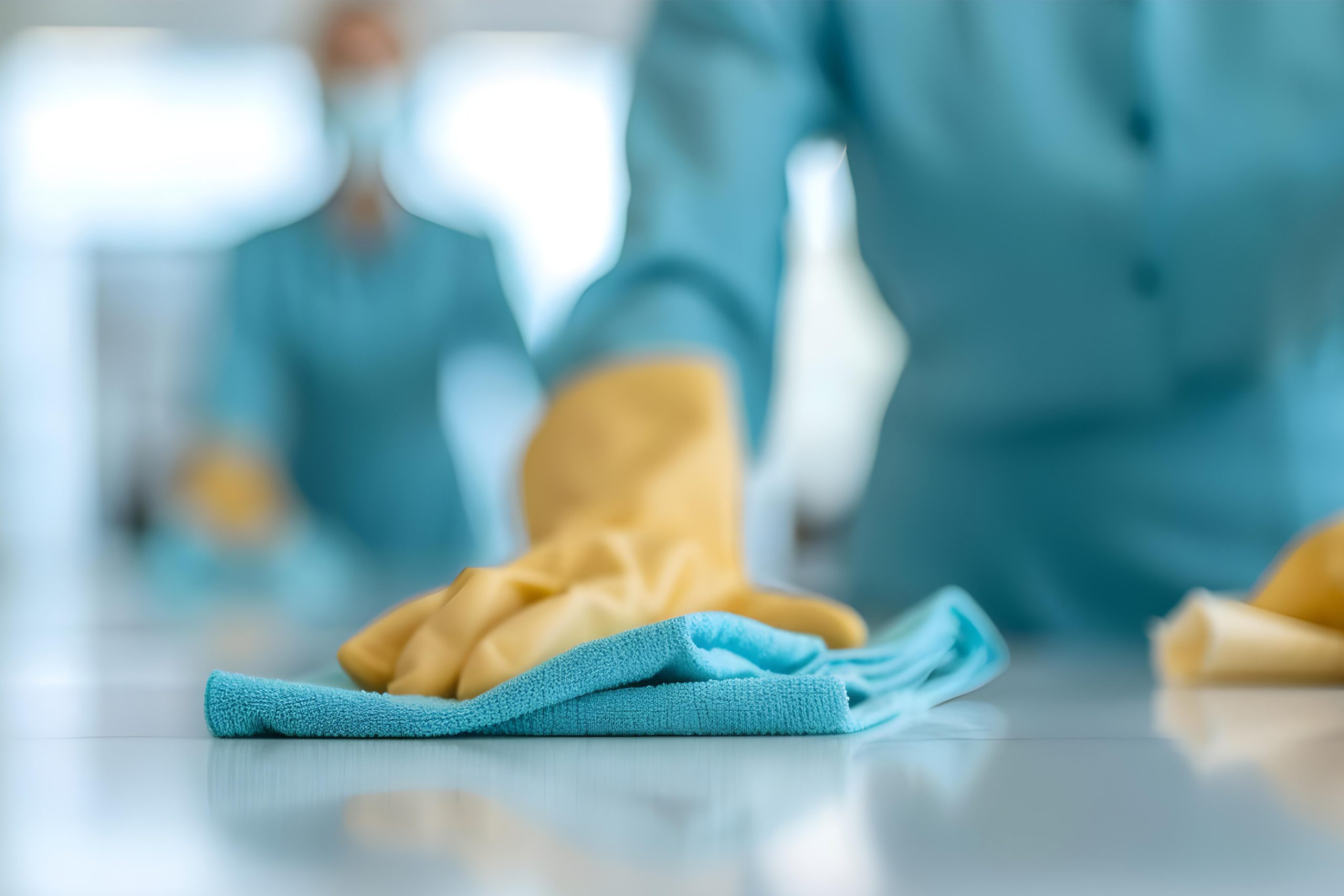
When it comes to sanitizing the environment it is important to clean as often as necessary to ensure sanitation control. Frequently used items such as pans, glasses, cutlery, plates, grills, stove, sinks and worktops should receive special attention. The kitchen floor is also an important element in this process.
A study by the editorial team of the Journal of Hospitality Marketing & Management showed that to protect their health about a third of restaurant customers and about 401TPTP3T of hotel customers are willing to pay more for increased safety measures.
2. Hygiene rules in HoReCa
According to Chap.I, paragraph (2) of Annex no.1 of H.G. no.924/2005, the design, design, construction, location and size of food objectives must:
- (a) permit adequate maintenance, sanitation and/or disinfection to avoid or minimize the possibility of airborne contamination and provide adequate working space to enable all operations to be carried out hygienically.
- (b) be such as to protect against the accumulation of dirt, contact with toxic materials, the dropping of particles into food and the formation of condensation or mold on surfaces.
- (c) permit the application of good food hygiene practices, including protection against contamination and, in particular, pest control.
- (d) where appropriate, provide suitable temperature-controlled food handling and storage conditions, be of sufficient capacity to maintain foodstuffs at appropriate temperatures, and be designed to allow those temperatures to be monitored and, where necessary, recorded.
It is essential to consider some specific precautions due to the characteristics of the environment. These include avoiding the use of odorous substances or deodorizers in the food preparation and storage area, using only products registered by the Ministry of Health, and strictly following the manufacturer's instructions. It is important to store cleaning products correctly, separate them from food, and not to mix disinfectants used in the kitchen with disinfectants used in the bathroom to avoid cross-contamination.
It is recommended that utensils used for sanitizing facilities be separated from utensils used for sanitizing objects that come into direct contact with food. It is also important to designate specific uniforms for the cleaning team, differentiating them from the uniforms of cooks and waiters, to facilitate their identification.
The space shall have adequate measures appropriate to the operations, maintain an orderly, uninterrupted flow at all stages of food preparation and have controlled and independent access, floors, walls and ceilings shall be smooth, impervious and washable, grease traps and drains shall be sized to accommodate the volume of waste and cleaned regularly, and equipment, furniture and utensils coming into contact with food shall be made of materials that do not transmit toxic substances, odors or flavors.
In addition to protecting people's health, sanitation in restaurants, and especially in the food preparation process, avoids kitchen waste. Less waste and better use of resources are good for business profits and for the planet. Raw materials, ingredients and packaging used in food preparation must be in a hygienic and sanitary condition. The number of staff involved in the operation and the furniture and/or utensils available shall be compatible with the volume, diversity and complexity of the dishes on the restaurant menu.
If raw materials and ingredients are not used in their entirety, they must be appropriately packaged and labeled with at least the following information: product name, date of fractionation and expiry date after opening or removal of the original packaging.
Restaurants must maintain a clean and hygienic environment for the health and safety of staff and customers. Each segment of the establishment must be properly cleaned to ensure safe food preparation and handling. Restaurant managers must carefully inspect kitchen areas, waiting and dining areas, and restrooms to ensure that the restaurant meets the health and hygiene requirements set by the local government.
Staff working in the kitchen or handling food must observe the highest standards of personal hygiene. This involves washing hands regularly with soap and warm water, using personal protective equipment such as gloves and hats, and avoiding handling food if employees show signs of illness.
4. Chemical disinfection methods
In the HoReCa industry chemicals are mainly found in products used for cleaning. Chemicals are available as solids, liquids, powders, granules, tablets, gels or gases.
Some chemicals are hazardous - they can cause injury, damage your health or harm the environment by being toxic, flammable, explosive, corrosive or carcinogenic. A hazardous substance can enter the body when it comes into contact with the skin or eyes, or when the substance is inhaled or swallowed. It is therefore important that employees working with chemicals are aware of the hazards and adopt safe working practices:
- Sodium hypochlorite, also known as chlorine, is a powerful disinfectant widely used in the food industry.
- Ethyl alcohol at concentrations of 60%-80% is a potent virucidal agent that inactivates lipophilic viruses (e.g. Herpes virus, vaccinia and influenza virus) and many hydrophilic viruses (e.g. Adenovirus, Enterovirus, Rhinovirus and Rotaviruses, but not Hepatitis A or Poliovirus).
- Glutaraldehyde is a dialdehyde which has bactericidal properties by binding to the outer coat of Escherichia coli (E. coli) and Staphylococcus aureus (S. aureus), coating against gram-negative bacteria, sporicidal property, fungal coating and potent virucidal agent.
5. Advanced disinfection technologies
In addition to traditional cleaning and disinfection methods, there are some advanced technologies that can be used successfully. It is important to take into account the specifics of each restaurant or hotel in terms of hygiene and disinfection needs, and the adoption of advanced technologies should be in line with local and national regulations and requirements. Staff should also be adequately trained to use these technologies correctly and effectively.
UV light
The use of ultraviolet (UV) light technology for disinfection in the HoReCa industry has gained popularity in recent years due to its effectiveness in eliminating pathogenic microorganisms, including bacteria, viruses and fungi (fungi).
UV light attacks micro-organisms at the DNA and RNA level. Microbes are not able to develop resistance to UV light, compared to their ability to form resistance to certain types of chemical disinfectants. Ultraviolet light has been repeatedly proven effective against pathogens including C. diff, MRSA, E. coli, Salmonella, Norovirus, Coronavirus and many others. The ability of UV light to destroy microorganisms is directly related to the dose of energy produced by the UV source, depending on spectrum, time and distance from the target.
Ozone disinfection
Ozone is a natural gas with powerful disinfecting properties. Ozone generators can be used to clean and disinfect the air and surfaces in HoReCa premises. They destroy bacteria, viruses and unpleasant odors without leaving chemical residues.
The air quality in hotels, including hotel rooms, receptions, restaurants and meeting rooms, is extremely important for the guest experience and the health of guests. Despite careful monitoring the hotel has many sources of unpleasant odors that cannot be prevented. Ozone is effective in improving air quality and ensuring hygiene as it is a technology that can eliminate odors instead of suppressing them, maintaining environmental hygiene and preventing the formation of microorganisms due to its high oxidizing properties.
AI technology
AI technology can bring significant benefits to the HoReCa disinfection industry, improving efficiency, reducing human error and helping to provide a safer environment for customers and staff.
During COVID-19 and other similar pandemics AI technology can be used in hotels to check cleaning and sanitizing tasks or to assist hotel staff in their tasks, from check-in to the check-out process. Thanks to advances in AI and other technologies, robotics have become increasingly present within the hospitality industry to provide housekeeping, front desk, food and other service tasks. Different types of robots can monitor the cleanliness of high-traffic areas, such as the amount of dirt or debris in hallways and elevator corridors, to alert cleaning staff to locations that need attention.
Conclusions
In the HoReCa industry ensuring food hygiene and safety is essential to maintain a solid reputation and to protect the health of customers and staff. In this context disinfection methods play a fundamental role in preventing the spread of pathogenic microorganisms and associated diseases.
Disinfecting chemicals such as chlorine, hydrogen peroxide and quaternary ammonium compounds have long been used in the HoReCa industry and remain effective in the fight against bacteria and viruses.
In parallel, advanced disinfection technologies such as UV light, ozone and artificial intelligence (AI) have brought new ways to improve hygiene and safety in the HoReCa industry. UV lights can quickly disinfect surfaces and air, ozone can eliminate unpleasant odors and kill microorganisms, while AI can optimize disinfection processes and monitor hygiene levels in real time.

 English
  Romanian
3 Comments
Case Themes
May 6, 2024We denounce with righteous indignation and dislike men who are so beguiled and demor alized by the charms of pleas ure of the moment.
Albert Flores
May 6, 2024The intruders chased the girl in the house and threatened her when she hid from them, according to the PSNI to Limavady Facebook.
Eleanor Pena
May 6, 2024It's no secret that the digital industry is booming. From exciting startups to need ghor fore global and brands, companies are reaching out.