


Disinfection in healthcare facilities
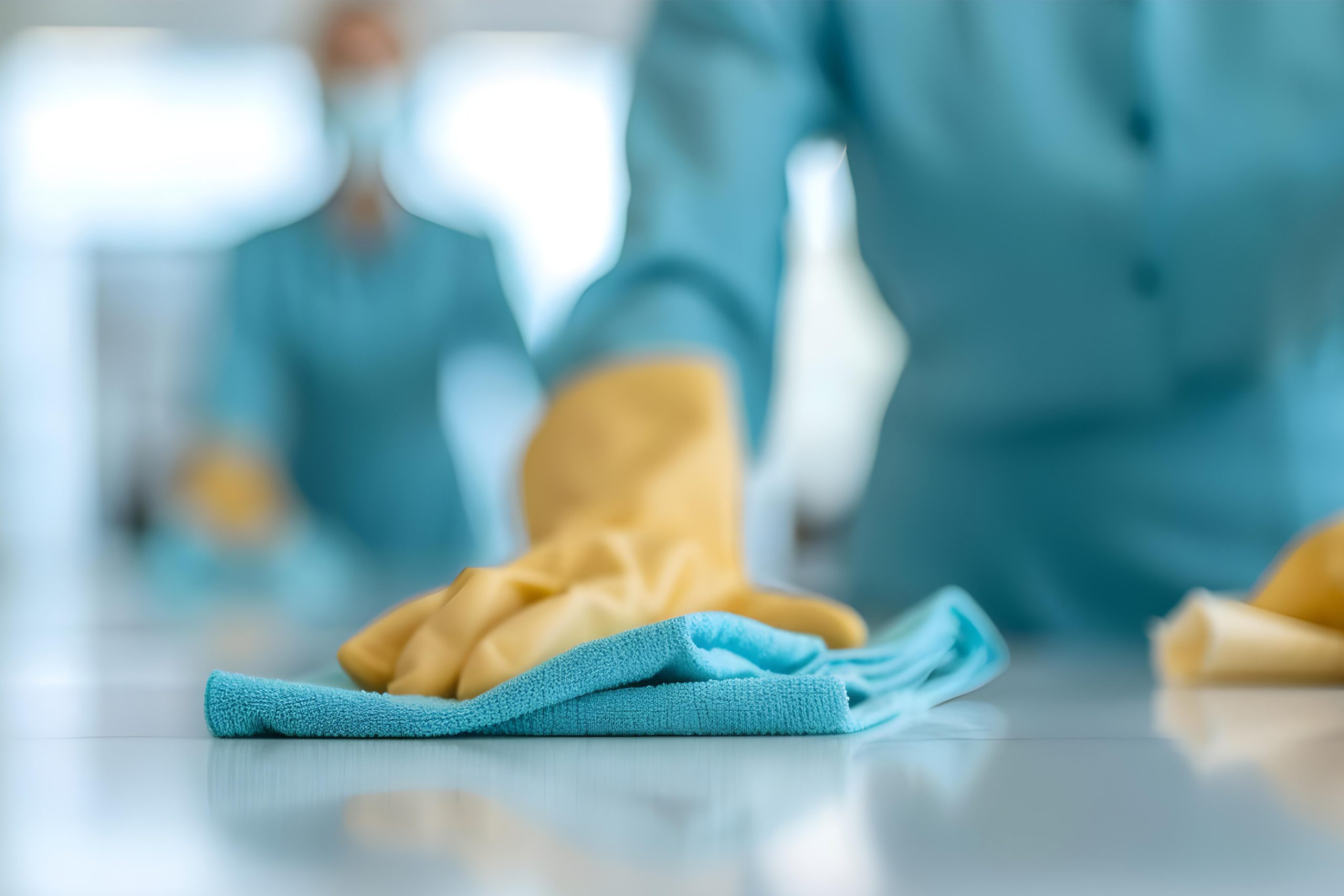
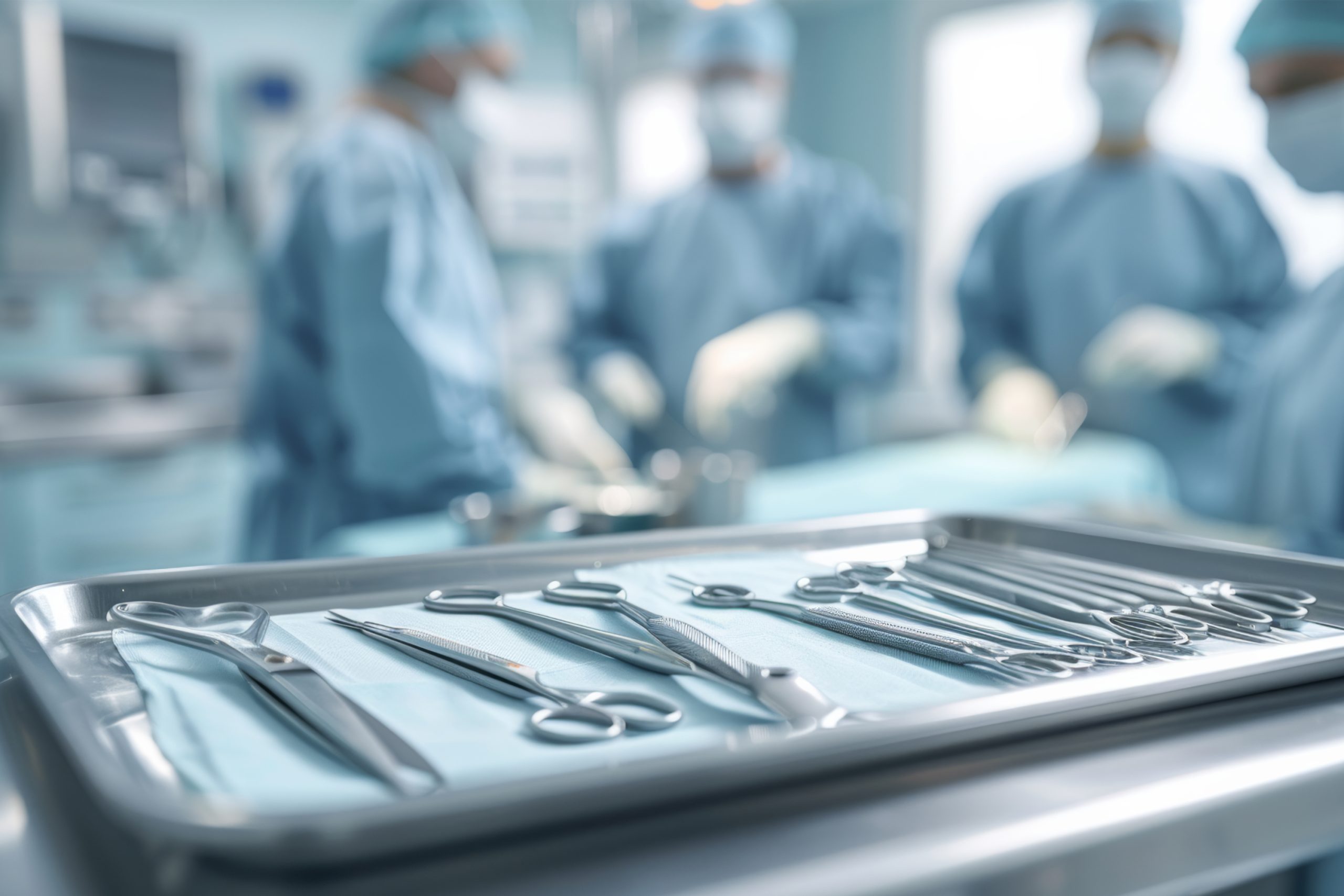
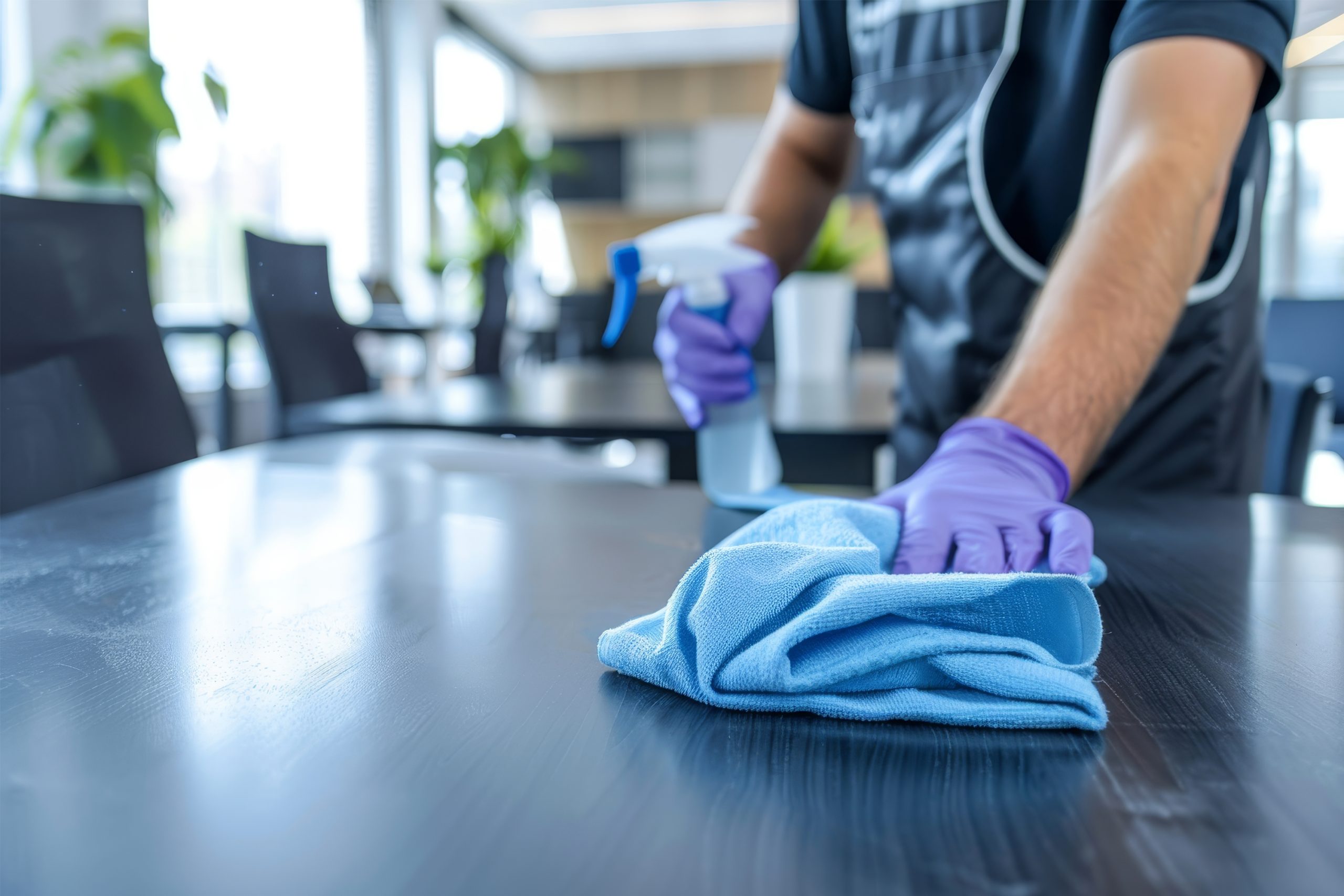
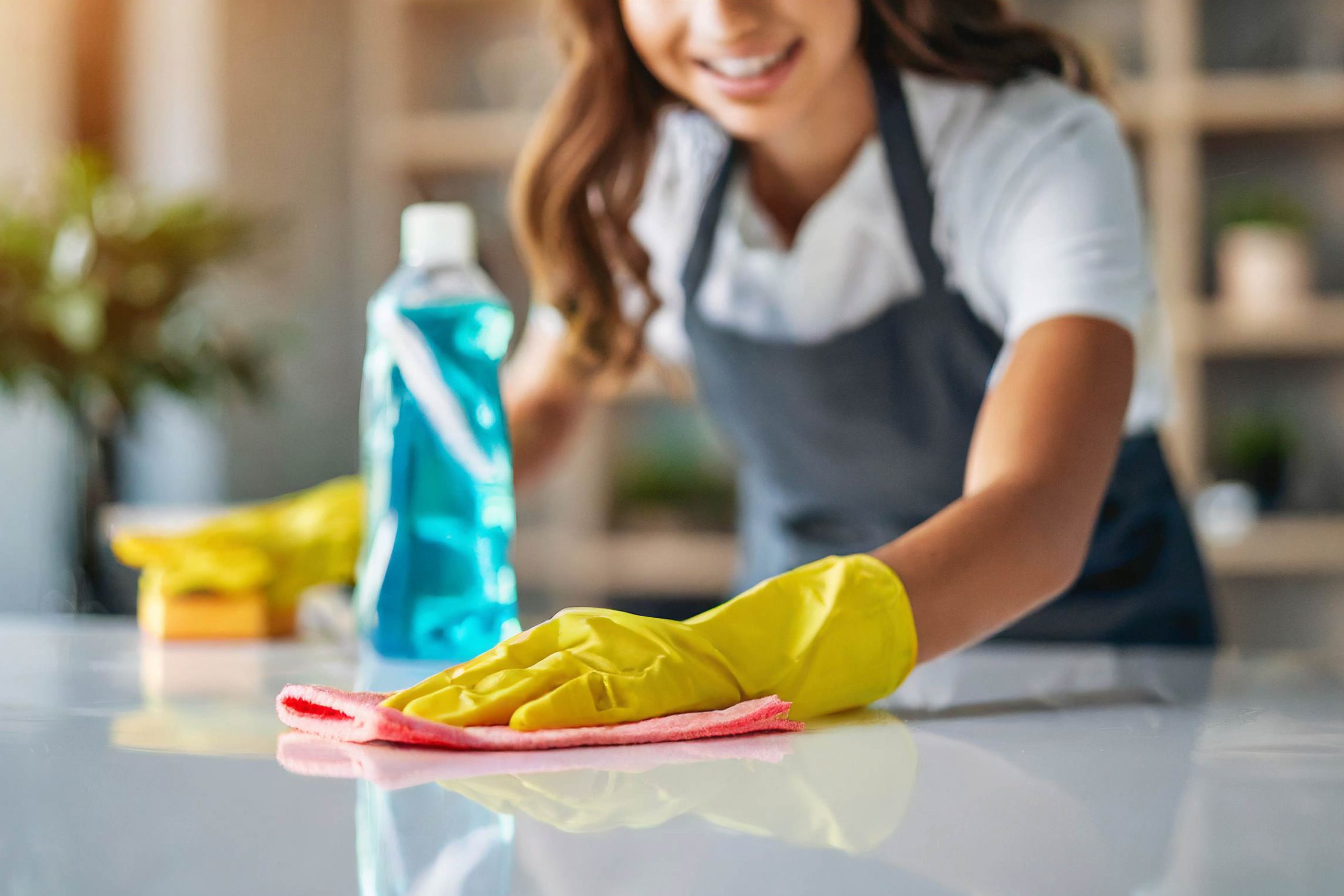
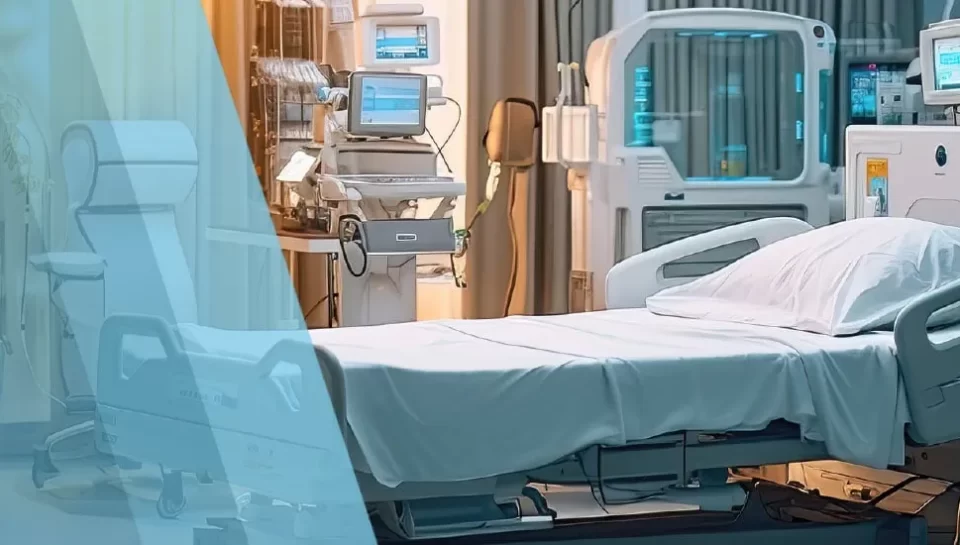
Disinfection in healthcare facilities, particularly in hospitals, plays an essential role in maintaining a safe and healthy environment for patients, staff and visitors. The disinfection process in hospitals involves the use of different methods such as cleaning surfaces with disinfectant solutions, steam sterilization and the use of ultraviolet (UV) light. These methods are essential in preventing the spread of bacteria, viruses and other pathogens that can cause infections.
Regular and thorough disinfection also promotes a positive perception of health facilities and inspires confidence in patients and visitors. Hospitals have a duty to provide clean and safe environments for patient recovery and to ensure that healthcare workers can carry out their tasks without unnecessary risks. Poor cleaning and disinfection practices can undermine these objectives, leading to negative patient experiences and reputational damage.
Although antiseptics and disinfectants have different roles in infection prevention and are intended for use in different contexts, the terms are sometimes misused. It is important to correctly understand the differences between these two categories of substances in order to use them appropriately for their specific purpose:
- Antiseptic is a substance that inhibits the growth or destroys microorganisms on living tissue.
- A disinfectant is a compound that exerts the same action (inhibiting the growth or killing microorganisms) on surfaces or objects. A disinfectant is also an antiseptic if it is not irritating to the tissue to which it is to be applied, is not inactivated by organic matter and does not produce toxicity upon absorption.
Disinfection is considered to be the act of reducing the presence of micro-organisms dangerous to public health to levels considered safe, based on established parameters, without adversely affecting the quality and safety of products or objects. In order to achieve the required level of sanitization or disinfection, the chemical used must be applied at a certain concentration and for a certain period of time.
1. Active substances in disinfectants
The sanitizing process depends on prior preparation of the surfaces to be treated. Most products used for this process must be applied to surfaces that are free of organic matter and detergent residues. Often the order of the process is as follows: rinse, clean, rinse, sanitize/disinfect and, if necessary, rinse.
Some of the most commonly used substances in sanitizing/disinfection processes are:
Ethyl alcohol
Ethyl alcohol has bactericidal activity, but its effectiveness is variable against fungi and viruses and it is not active against spores. It is traditionally used to clean open wounds, but should not be used for this purpose as it is highly irritant and in contact with organic matter can coagulate proteins, facilitating the survival of some bacteria. Ethyl alcohol used for disinfection must be of an appropriate concentration to be effective against micro-organisms. Usually the optimum concentration is about 70-80% ethyl alcohol.
It should not be used for disinfecting surgical equipment due to its lack of sporicidal activity.
Chlorhexidine
Chlorhexidine is fast-acting and has strong bactericidal activity against gram-positive and gram-negative germs, although pseudomonads are relatively resistant. It prevents spores from germinating, but only kills them if the temperature is high. Alcohol increases its potency.
It remains active in the presence of soap, blood and organic matter, although it may lose its effectiveness. It can therefore be used on both open wounds and intact skin.
It is an antiseptic used as an alternative to povidone iodine in cases where iodine derivatives cannot be applied. It is also widely used in children and pregnant women, as in these groups the aim is to avoid the application of iodine.
Hypochlorites
Their effectiveness, low cost and ease of manufacture make hypochlorites the most widely used disinfection agents. Sodium hypochlorite is the most common compound and is an ideal disinfectant because it is a strong oxidizer.
Hypoclytes cause high microbial mortality by damaging the outer cell membrane, leading to loss of permeability control. In addition, these compounds inhibit cellular enzymes and destroy DNA. Spores are resistant to the action of hypochlorites, as their surface layer is not sensitive to oxidation, unless high concentrations and prolonged contact periods at high temperatures are used.
Tincture of iodine
Iodine is extremely effective and has a broad spectrum of action. It is fast-acting and, once applied, maintains its effectiveness for several hours, making it one of the best antiseptics available. The commercially available tincture strength contains 2% metallic iodine and 2.5% potassium iodide in 50% alcohol. This tincture is used on healthy skin or for fungal and bacterial skin infections. The same concentration in an aqueous solution can be used to disinfect wounds.
2. Resistance to sanitizers/disinfectants
Resistance to sanitizers and disinfectants has become a growing concern in recent years. This resistance is a significant problem in health care settings, where sanitation and disinfection practices are essential to prevent the spread of infection. It can also lead to the transmission of antibiotic-resistant bacteria, which further exacerbates the problem.
This resistance may be a natural phenomenon or may be developed over time as a result of repeated exposure to sanitizing/disinfecting agents. Natural or intrinsic microbial resistance is the resistance that micro-organisms exhibit from their origin and is caused by their own characteristics. In most cases this resistance occurs because the nature of the micro-organisms makes them immune to certain components of disinfectants.
There is also acquired microbial resistance. In this case microorganisms develop immunity to biocides during their lifetime (they are not born with it). This would be the case with biofilms. The main cause of disinfectant resistance is overuse and misuse of disinfectants. In some cases hospitals may rely on the same disinfectants for long periods of time, allowing bacteria to adapt and develop resistance.
Every time a chemical is used to eradicate micro-organisms there is the possibility of promoting the development of resistance, because not all microbes are exterminated. Even if the process reduces the population by 99.999%, this means that out of 1,000,000 microbes present, 10 remain alive even though their numbers have been reduced to what can be considered a safe level. It is possible that the disinfectant did not act effectively on these 10 organisms, or perhaps they have a natural immunity to the chemicals used. If these 10 microbes are indeed immune, they may be able to multiply on the surface.
To combat disinfectant resistance it is important that health facilities regularly evaluate the effectiveness of the products used and rotate the use of disinfectants, follow appropriate application methods and consider alternative disinfection strategies. Proper hand hygiene and infection control practices should also be emphasized to reduce reliance on sanitizers and disinfectants and to prevent the development of further resistance.
3. Trends and new disinfection methods
In recent times there has been increased attention paid to disinfectants and disinfection procedures due to the global pandemic. New trends have emerged in this field, aimed at effectively removing harmful micro-organisms from various surfaces and objects.
As research into disinfection techniques advances, it is expected that more innovative trends will continue to emerge to increase the efficiency and convenience of disinfection procedures.
Antibacterial panels
Self-disinfecting antibacterial panels are used to prevent or reduce the growth and spread of bacteria and other microorganisms on surfaces. These walls are impregnated with antimicrobial agents that constantly release a low level of disinfectant, effectively killing any bacteria that come into contact with the surface. This continuous disinfection process helps to reduce the risk of cross-contamination and transmission of infection. The use of antibacterial panels can be beneficial in a wide range of environments, including hospitals, laboratories, food processing areas, where maintaining a sterile environment is crucial.
In addition to their antimicrobial properties these panels also offer durability and easy cleaning, making them an ideal choice for areas that require frequent decontamination. The availability of self-disinfecting walls not only ensures a higher level of hygiene, but also reduces the need for routine manual cleaning and disinfection, saving both time and costs.
Antimicrobial nano-coating
Nanometer antimicrobial coatings are revolutionizing the field of disinfection. Using nanotechnology a thin layer of material is applied to surfaces, effectively preventing the growth and spread of harmful micro-organisms. Nano-coating offers a powerful solution against bacteria, viruses and fungi as it uses nanoparticles that have antimicrobial properties. These particles act by disrupting cell membranes and inhibiting the micro-organisms' metabolic pathways, ultimately leading to their destruction.
Unlike traditional disinfectants that can be easily wiped off or diluted over time, nano-structures provide long-lasting protection by forming a strong bond with the surface. They are resistant to wear and tear, UV rays and harsh cleaning chemicals, ensuring prolonged disinfection and reducing the need for frequent reapplication.
Cold plasma technology
Cold plasma technology for disinfection is an innovative approach that has taken off in various industries, including healthcare. Cold plasma is created by applying an electric field to a gas, which ionizes gas molecules and generates chemically active species. This unique property makes cold plasma an effective tool for killing pathogens and micro-organisms without harming human tissues or surfaces.
In healthcare, cold plasma technology is used to disinfect medical instruments, surfaces and even air. In addition, cold plasma can even reach hard-to-reach areas, ensuring complete decontamination. Unlike traditional methods of disinfection involving chemicals and heat, cold plasma technology is environmentally friendly and leaves no residue.
Eco-friendly disinfectants
The eco-friendly disinfectant industry has seen significant growth in recent years as environmental concerns have grown and demand for safer and more environmentally friendly products has increased.
The main trend in the industry is the use of natural ingredients, such as essential oils, citric acid, hydrogen peroxide and other bio-based compounds. These ingredients are considered safer for the environment and human health than synthetic chemicals.
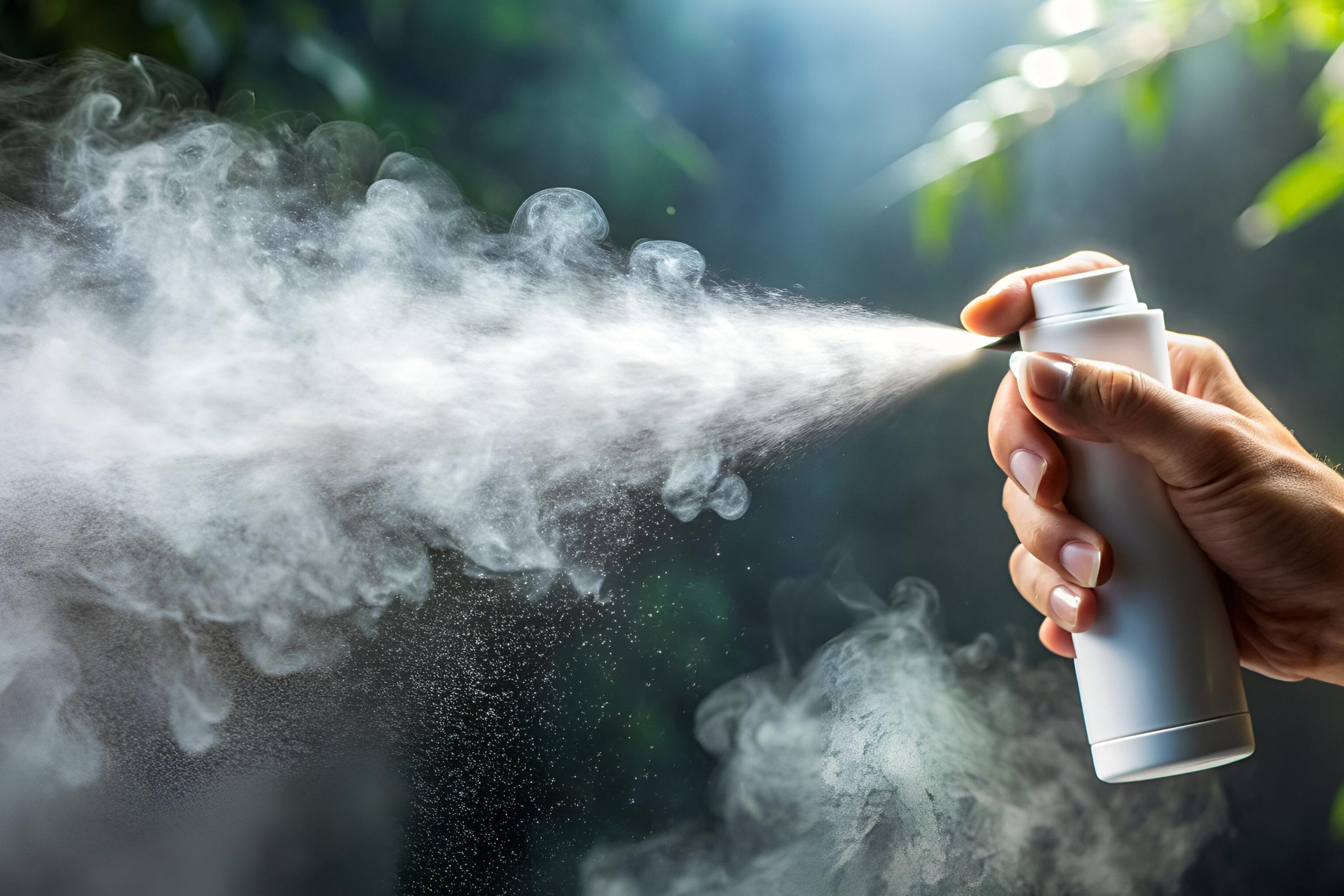
Companies are developing innovative ways to apply eco-friendly disinfectants, such as non-aerosol sprayers, low-water consumption fogging systems or concentrated solutions that can be diluted at the point of use.
Conclusions
Several new trends in disinfectants and disinfection procedures have emerged in recent years. One prominent trend in the disinfectant industry is the introduction of new types of disinfectants. Traditional disinfectants often contained harsh chemicals that posed health risks and potential environmental hazards. Consumers have moved towards using eco-friendly and safe alternatives. For example, hydrogen peroxide-based disinfectants have gained popularity for their effectiveness in killing germs while being environmentally friendly and safe to use.
Another significant trend in the disinfectant industry is the development of new disinfection technologies. With advances in science and engineering, innovative tools and devices have been developed to support effective and thorough disinfection. For example, electrostatic sprayers have gained popularity due to their ability to apply disinfectants in an electrostatically charged mist, providing complete coverage of surfaces and hard-to-reach areas.
Ultraviolet (UV) light devices have also emerged as a popular method of disinfection because they can quickly and effectively kill germs by damaging their DNA. These new technologies offer improved disinfection capabilities, allowing users to achieve higher levels of cleanliness and hygiene.

 English
  Romanian
3 Comments
Case Themes
May 6, 2024We denounce with righteous indignation and dislike men who are so beguiled and demor alized by the charms of pleas ure of the moment.
Albert Flores
May 6, 2024The intruders chased the girl in the house and threatened her when she hid from them, according to the PSNI to Limavady Facebook.
Eleanor Pena
May 6, 2024It's no secret that the digital industry is booming. From exciting startups to need ghor fore global and brands, companies are reaching out.